How much does building a bespoke private wine cellar typically cost overall?
Costs range widely with size, cooling, racking, and finish. Knowing where the money goes helps you budget wisely.
Costs vary widely with size, cooling type, racking, and finish, from a modest conditioned room to a large bespoke installation. Rather than a single figure, focus on where the money goes: budget generously first for the hidden insulation, vapor barrier, and correctly sized cooling, then racking, then finishes, since the envelope protects the collection.
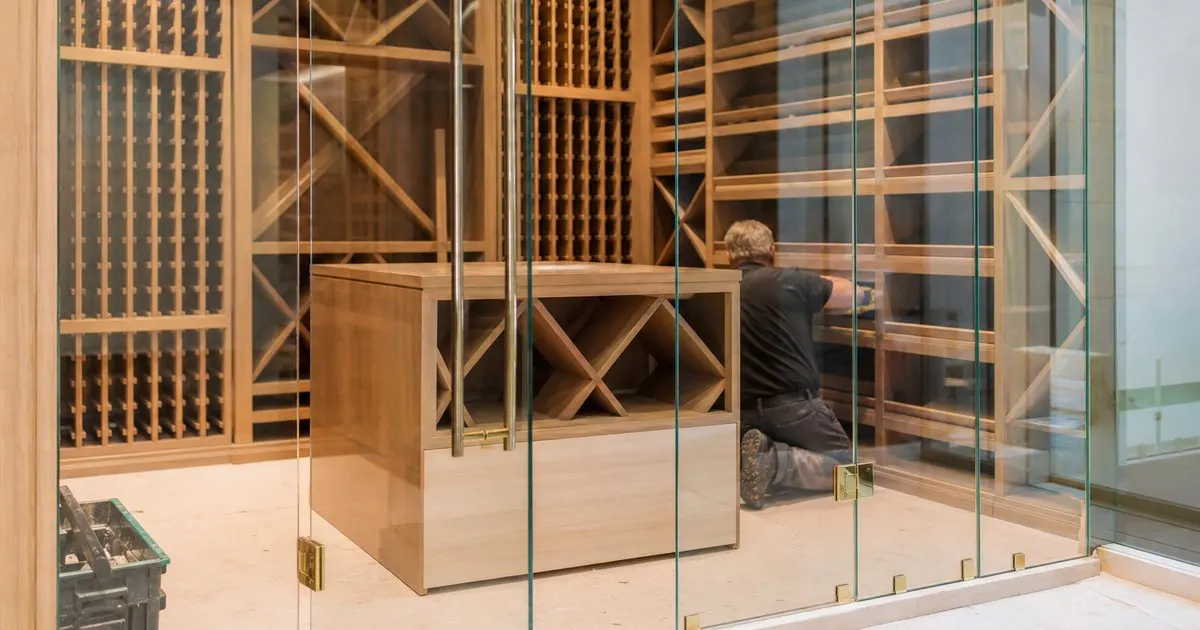
What drives the cost
A cellar's cost is shaped by its size, the cooling system, the racking, and the finishes, along with the hidden work of insulation and a vapor barrier. A small conditioned room is modest, while a large bespoke installation with premium materials sits at the top of the range. Related: Which room or space in a home suits a wine cellar best?
Because so much depends on scope, there is no single figure. The useful approach is to understand the major cost centers and decide where to invest, ensuring the essentials are funded before the decorative touches.
Keep reading: What conditions must a private wine cellar hold to protect fine bottles?, How do you choose between passive and active cooling for a wine cellar?, What is the ideal temperature and humidity for storing wine long term?. See how Cellarvo helps you a refined guide to building and cooling a private wine cellar.
Spend on the envelope first
The most important place to budget generously is the hidden envelope: insulation, the vapor barrier, and a correctly sized cooling system. These protect the collection and are the hardest and most disruptive to redo later, so they deserve priority.
It is tempting to lavish the budget on visible racking and finishes while economizing on what you cannot see. Resisting that temptation is the key to a cellar that performs, since a beautiful room that fails to hold conditions is a poor investment. Related: What is the ideal temperature and humidity for storing wine long term?
Racking, cooling, and finishes
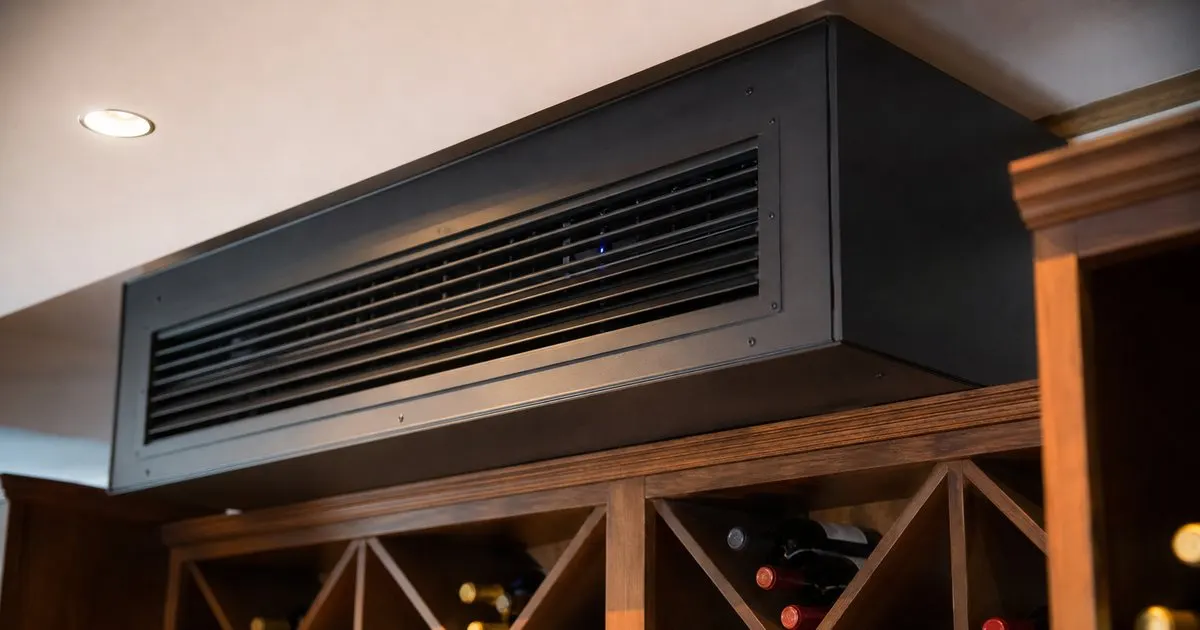
Racking ranges from modular systems to bespoke joinery in fine woods or metal, with cost rising accordingly. Cooling spans self-contained units to quiet ducted systems, and finishes, from lighting to glass features, can add both beauty and expense.
Each of these can be scaled to your budget. A considered cellar might pair a solid envelope and cooling with tasteful, mid-range racking, saving showpiece materials for later, which spreads the investment sensibly while protecting the wine from day one. Related: How do you choose between passive and active cooling for a wine cellar?
Planning the total
Build your budget from the collection you want to store and the conditions you must hold, then allocate to the envelope and cooling first, racking second, and finishes last. This ordering ensures the money protects the wine before it decorates the room. Related: What conditions must a private wine cellar hold to protect fine bottles?
Because Cellarvo is an independent guide and does not sell cellars, we encourage getting detailed quotes for your specific space and comparing them on substance. And to be clear, none of this is financial advice, simply guidance to help you plan a sound investment.
- Cost depends on size, cooling, racking, finishes, and hidden envelope work.
- Budget generously for insulation, vapor barrier, and cooling first.
- Racking and finishes scale widely, so choose where to invest.
- Order spending to protect the wine before decorating the room.

Julien Jimenez
Julien Jimenez is an independent software builder based in Paris. He designs, ships, and operates focused SaaS products for small businesses and independent professionals. Read the full author page.
Frequently asked questions
Where should most of a cellar budget go?
Toward the hidden envelope and cooling, insulation, the vapor barrier, and a correctly sized unit, since these protect the wine and are hardest to redo later. Racking and finishes should follow once the essentials are funded.
Can I build a cellar in stages to spread the cost?
Often yes. A sound approach funds the envelope, cooling, and functional racking first, then adds premium finishes and showpiece materials later. This protects the collection from the start while spreading the investment over time.
A Cellar Worthy Of The Bottles
A refined guide to building and cooling a private wine cellar. Cellarvo is built to help you put this into practice.
Plan your cellarMore from the Cellarvo blog
Get the complete wine cellars guide
Our full buying guide, the price guide, and new research as we publish it. One email, no spam, unsubscribe any time.