What is the ideal temperature and humidity for storing wine long term?
The targets are well established, but stability around them matters more than any single figure. Here is the guidance.
Store wine at a cool, moderate temperature, commonly cited around the mid-50s Fahrenheit, with humidity in a controlled middle range that keeps corks sound. More important than any exact figure is stability, since swings stress wine and the cork. A sealed, insulated cellar and wine-specific cooling are what hold these conditions steadily.
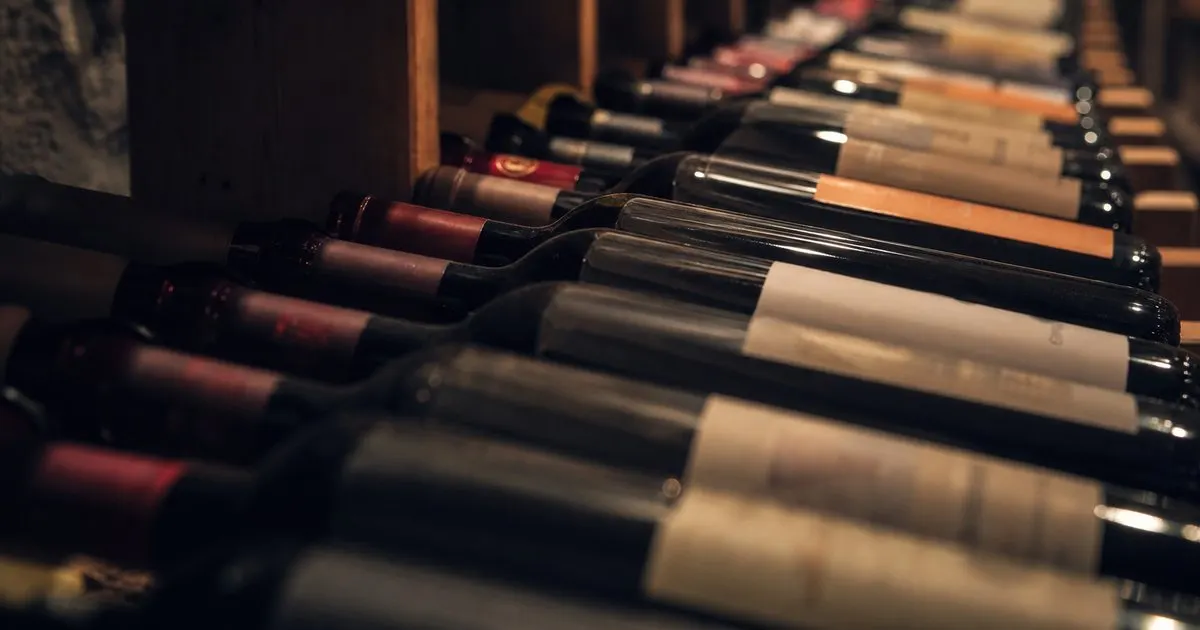
The temperature target
Long-term wine storage centers on a cool, moderate temperature, commonly cited around the mid-50s Fahrenheit. This range lets wine age slowly and gracefully, neither cooking in warmth nor stalling in excessive cold, which is why it has long been the reference point.
The precise number matters less than keeping within a sensible cool range. A degree or two either side is not a concern, whereas storing wine warm accelerates aging undesirably, so aim for the cool band and hold it steadily.
Keep reading: What conditions must a private wine cellar hold to protect fine bottles?, How do you choose between passive and active cooling for a wine cellar?, How much does building a bespoke private wine cellar typically cost overall?. See how Cellarvo helps you a refined guide to building and cooling a private wine cellar.
Why stability trumps precision
More important than hitting an exact temperature is avoiding swings. Repeated warming and cooling stresses wine, expanding and contracting the liquid and working against the cork, which over time can compromise bottles meant to age for years. Related: How do you choose between passive and active cooling for a wine cellar?
A cellar that holds a steady temperature, even if slightly off an ideal figure, protects wine better than one that averages the perfect number while fluctuating widely. Consistency is the quality to engineer for, and it is what a good system and envelope deliver. Related: How much does building a bespoke private wine cellar typically cost overall?
The humidity target
Humidity is typically kept in a controlled middle range, high enough to keep corks from drying and shrinking, but not so high that labels and materials suffer. This balance protects the seal on bottles stored on their sides for long aging.
As with temperature, steadiness helps. Wild humidity swings are undesirable, so a system that maintains a stable, moderate level is preferable to one that lets the air dry out or grow damp, either of which can harm the collection over time.
Holding the conditions
Achieving these targets reliably depends on the whole cellar working together: a well-insulated, sealed room and a cooling system sized and designed for wine. The equipment sets the conditions, but the envelope is what lets them hold. Related: What conditions must a private wine cellar hold to protect fine bottles?
Monitor the cellar so you know the conditions are being met, and address any drift promptly. Steady, moderate temperature and controlled humidity, maintained consistently, are the simple but essential recipe for storing wine well over the long term. Related: Which room or space in a home suits a wine cellar best?
- Aim for a cool, moderate temperature, commonly around the mid-50s Fahrenheit.
- Stability matters more than hitting an exact figure.
- Keep humidity in a controlled middle range to protect corks.
- A sealed, insulated envelope lets the cooling hold these conditions.

Julien Jimenez
Julien Jimenez is an independent software builder based in Paris. He designs, ships, and operates focused SaaS products for small businesses and independent professionals. Read the full author page.
Frequently asked questions
Does the exact storage temperature really matter?
A sensible cool range matters more than an exact number. A degree or two either side is fine, but storing wine warm speeds aging undesirably. Above all, avoid swings, since stability protects wine better than a precise but fluctuating figure.
What humidity level should a wine cellar hold?
A controlled middle range is the aim, high enough to keep corks from drying and shrinking, but not so damp that labels and materials suffer. A wine-specific cooling system helps maintain this balance steadily.
A Cellar Worthy Of The Bottles
A refined guide to building and cooling a private wine cellar. Cellarvo is built to help you put this into practice.
Plan your cellarMore from the Cellarvo blog
Get the complete wine cellars guide
Our full buying guide, the price guide, and new research as we publish it. One email, no spam, unsubscribe any time.