How do you choose between passive and active cooling for a wine cellar?
A naturally cool space may store wine passively, but most homes need active cooling. Here is how to decide.
Choose passive cooling only if your space is genuinely cool and stable year-round, which is rare in modern homes. For most, especially above-ground or climate-variable rooms, active cooling with a wine-specific unit is the reliable choice. Observe how your space behaves across seasons, and size any active system to the insulated room.
What passive cooling relies on
Passive cooling depends on the natural conditions of a space, typically a below-ground room that stays cool and stable year-round without mechanical help. Where such a space exists and genuinely holds steady conditions, it can store wine beautifully and quietly. Related: What conditions must a private wine cellar hold to protect fine bottles?
The catch is that few modern homes offer a naturally stable, cool, humid space. Passive storage works only if the room truly maintains the right conditions through every season, which is rarer than many buyers hope when they picture a traditional cellar. Related: Which room or space in a home suits a wine cellar best?
Keep reading: What conditions must a private wine cellar hold to protect fine bottles?, What is the ideal temperature and humidity for storing wine long term?, How much does building a bespoke private wine cellar typically cost overall?. See how Cellarvo helps you a refined guide to building and cooling a private wine cellar.
What active cooling provides
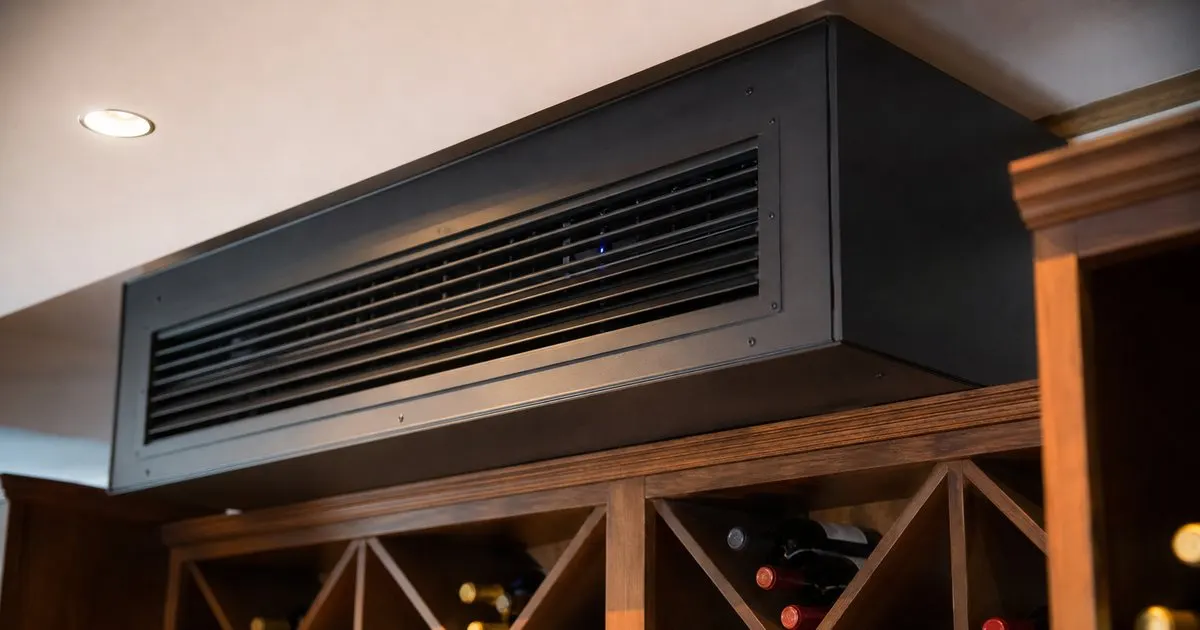
Active cooling uses a dedicated refrigeration unit designed for wine to hold precise temperature and humidity regardless of the weather outside. For most homes, especially above-ground or climate-variable ones, this is what makes reliable long-term storage possible. Related: What is the ideal temperature and humidity for storing wine long term?
A wine-specific unit is engineered to cool gently and preserve humidity, unlike ordinary air conditioning that can overcool and dry the air. This purpose-built approach is why active cooling is the standard choice for serious cellars in typical homes.
Assessing your space
Start by observing how your intended space behaves across the year. If it is genuinely cool and stable, passive storage may suffice, but if it warms in summer, sits above ground, or swings with the house's climate, active cooling is the safer choice.
Be honest about the stakes. Because the cellar protects valuable bottles, the cost of getting conditions wrong is high, so most collectors choose active cooling for the certainty it provides rather than gambling on a space holding steady on its own. Related: How much does building a bespoke private wine cellar typically cost overall?
Types of active systems
Active systems range from self-contained units that sit in the cellar wall to split systems with a separate condenser for quieter operation, and ducted systems that hide the equipment entirely. The right type depends on your space, noise tolerance, and aesthetics.
Whichever you choose, the cooling must be sized to the insulated volume and heat load of the room. Correct sizing, paired with a good envelope, is what lets the system hold conditions efficiently and quietly for years to come.
- Passive cooling works only in a genuinely cool, stable space.
- Active cooling with a wine-specific unit suits most homes reliably.
- Observe how your space behaves across seasons before deciding.
- Active systems range from self-contained to split and ducted types.

Julien Jimenez
Julien Jimenez is an independent software builder based in Paris. He designs, ships, and operates focused SaaS products for small businesses and independent professionals. Read the full author page.
Frequently asked questions
Can I store wine long term without a cooling unit?
Only if the space is naturally cool, humid, and stable through every season, which few homes offer. If the room warms in summer or sits above ground, a dedicated cooling unit is the safer way to protect the collection.
Why not use regular air conditioning for a wine cellar?
Ordinary air conditioning tends to overcool and dry the air, which threatens corks. Wine-specific cooling units are designed to hold gentle temperatures and preserve humidity, making them the appropriate choice for a cellar.
A Cellar Worthy Of The Bottles
A refined guide to building and cooling a private wine cellar. Cellarvo is built to help you put this into practice.
Plan your cellarMore from the Cellarvo blog
Get the complete wine cellars guide
Our full buying guide, the price guide, and new research as we publish it. One email, no spam, unsubscribe any time.