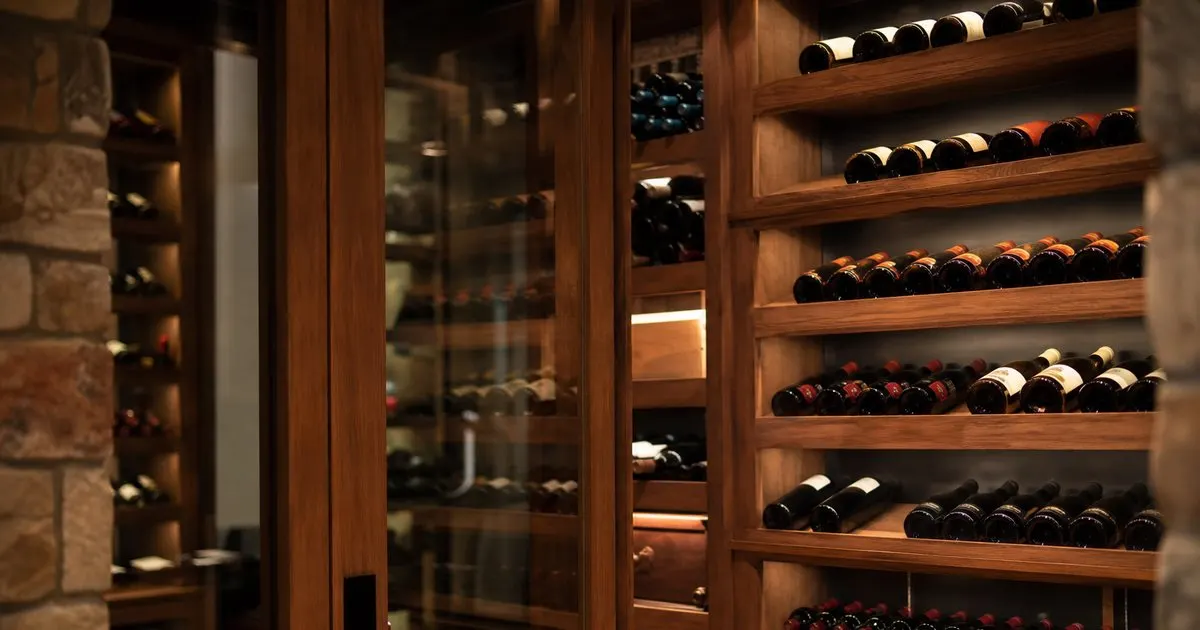
Wine cellars
What conditions must a private wine cellar hold to protect fine bottles?
A cellar is defined by the stable conditions it maintains. Understanding them is the foundation of protecting a collection.
Practical, honest advice from the team behind Cellarvo, written to help you do this well.
A cellar is defined by the stable conditions it maintains. Understanding them is the foundation of protecting a collection.
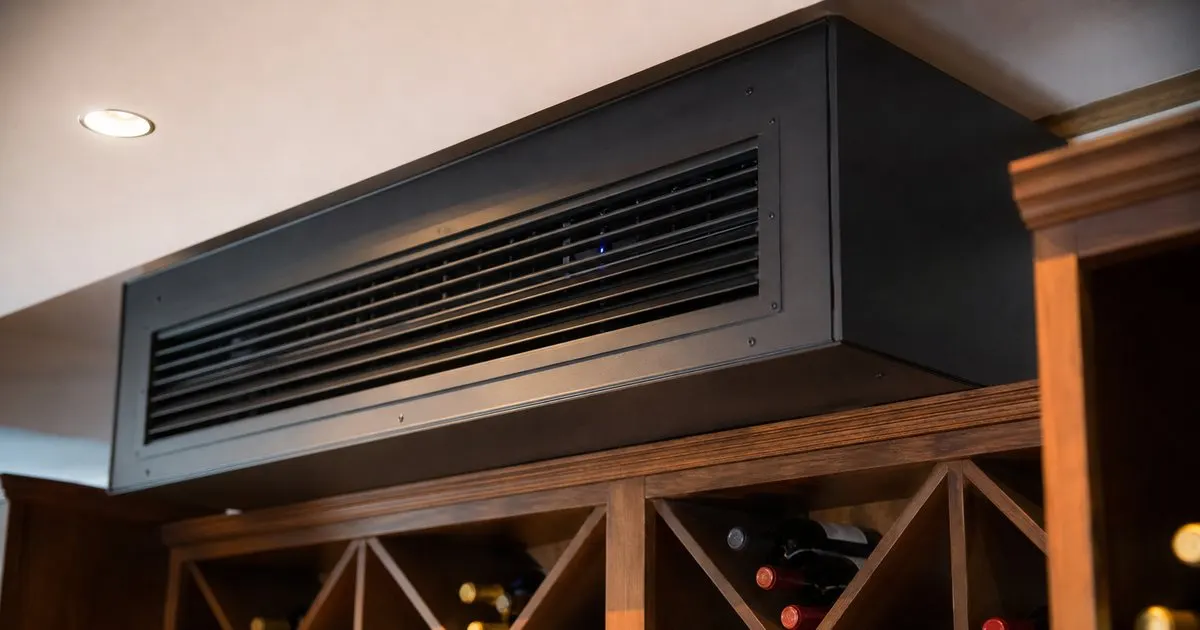
A naturally cool space may store wine passively, but most homes need active cooling. Here is how to decide.
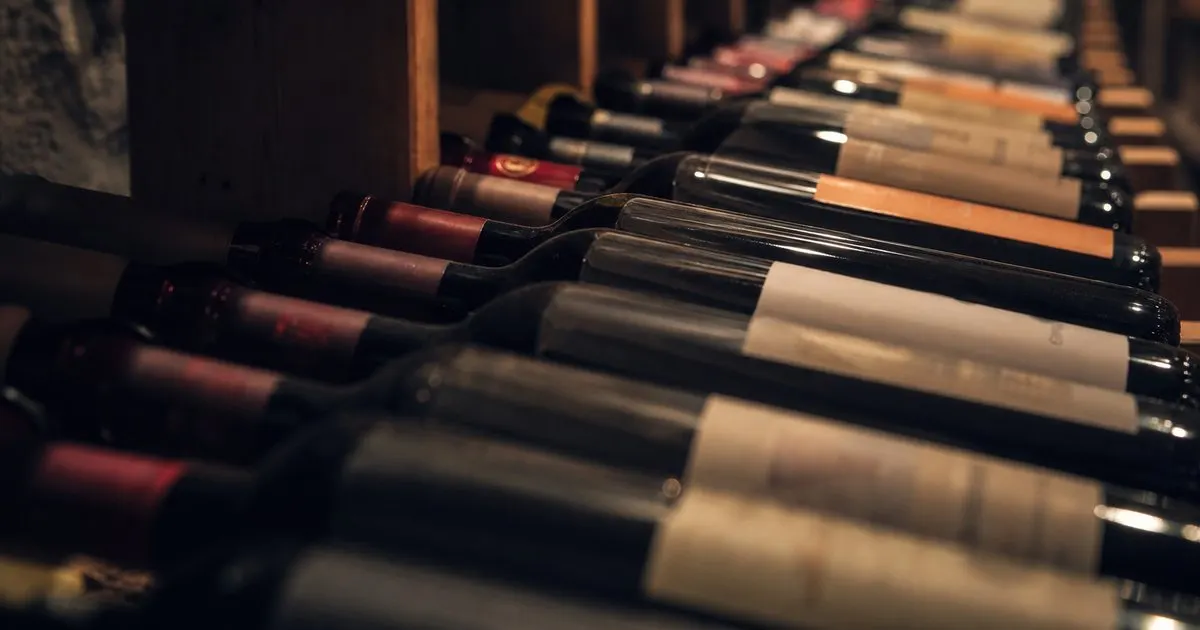
The targets are well established, but stability around them matters more than any single figure. Here is the guidance.
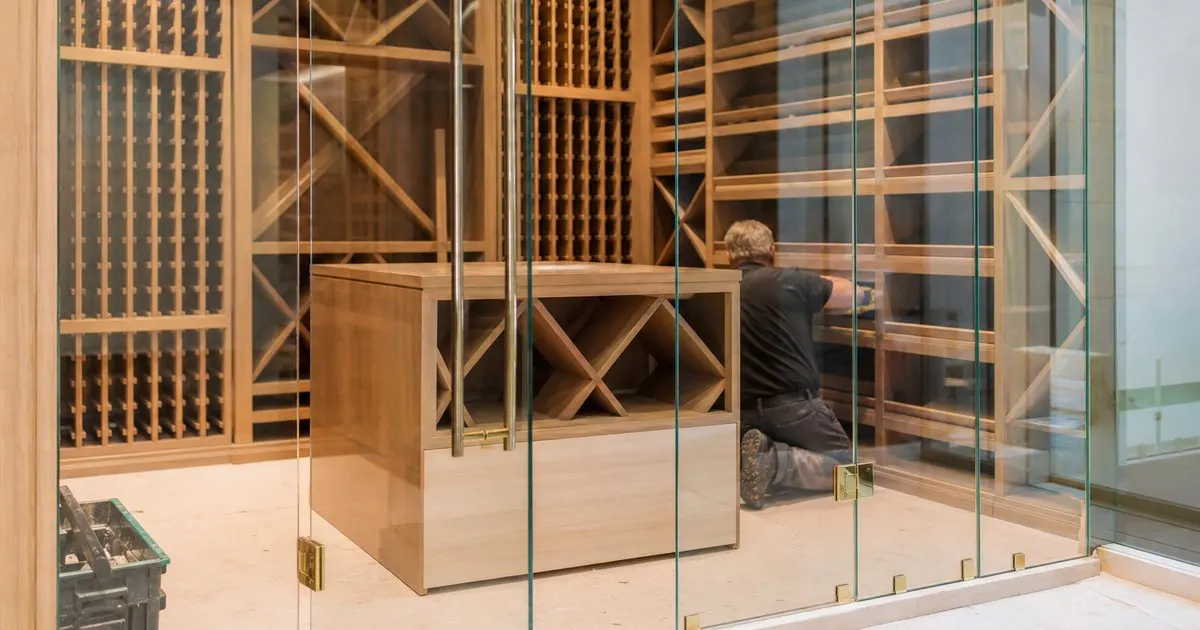
Costs range widely with size, cooling, racking, and finish. Knowing where the money goes helps you budget wisely.
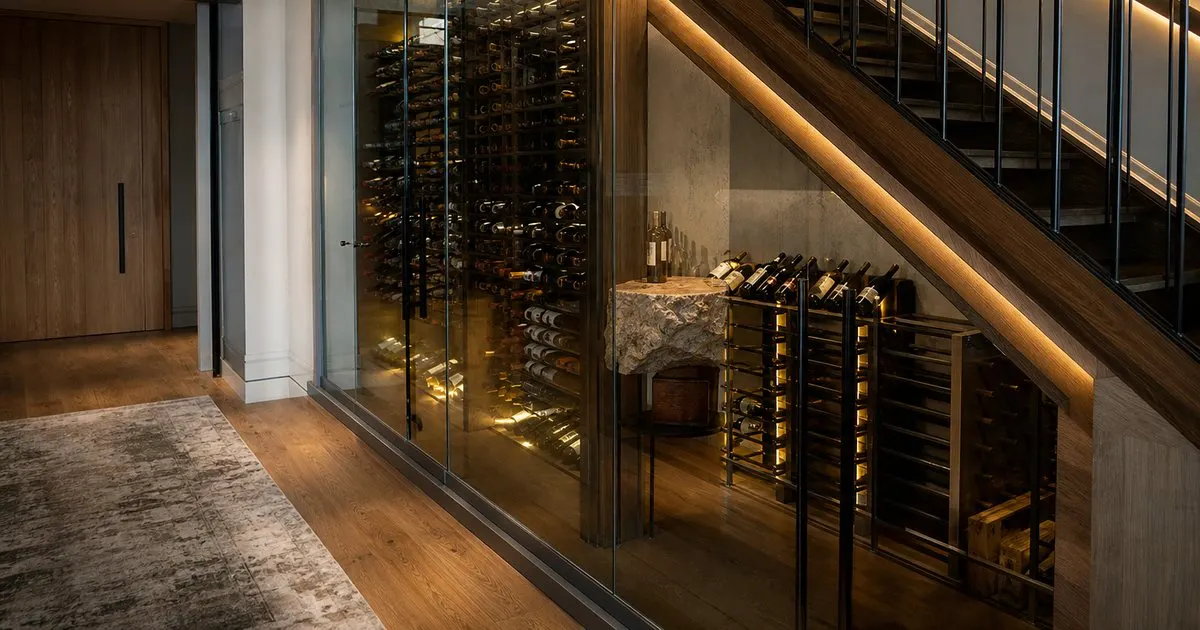
Almost any room can become a cellar, but some spaces make it far easier. A few factors point to the best candidates.
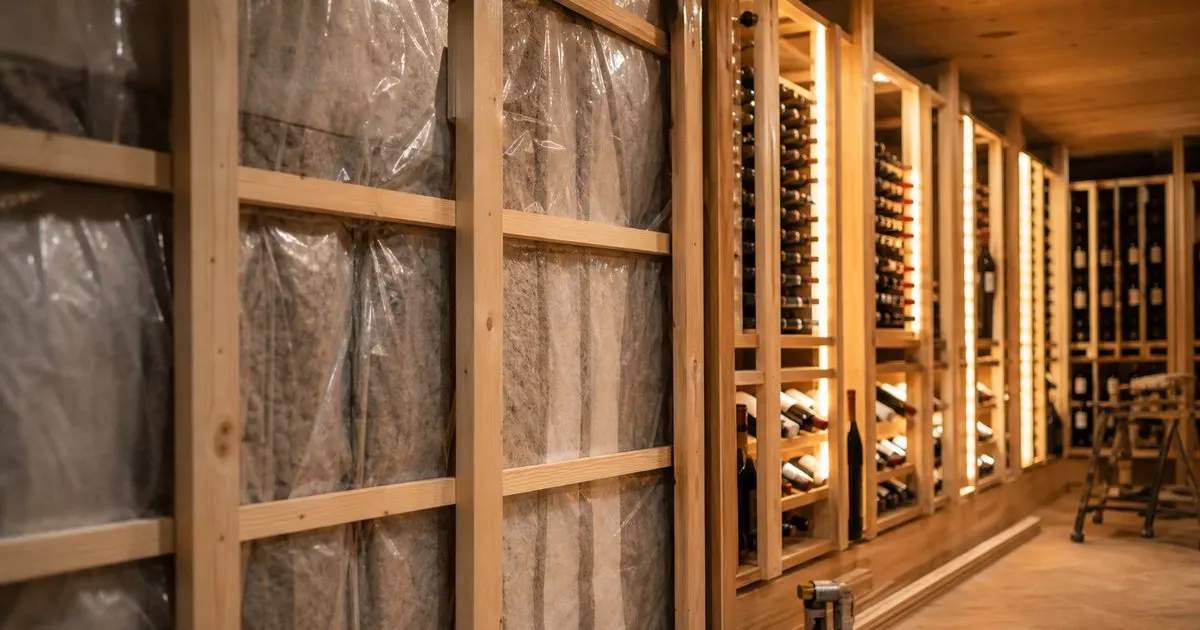
These hidden layers are the foundation of a stable cellar. Without them, even strong cooling cannot hold conditions.
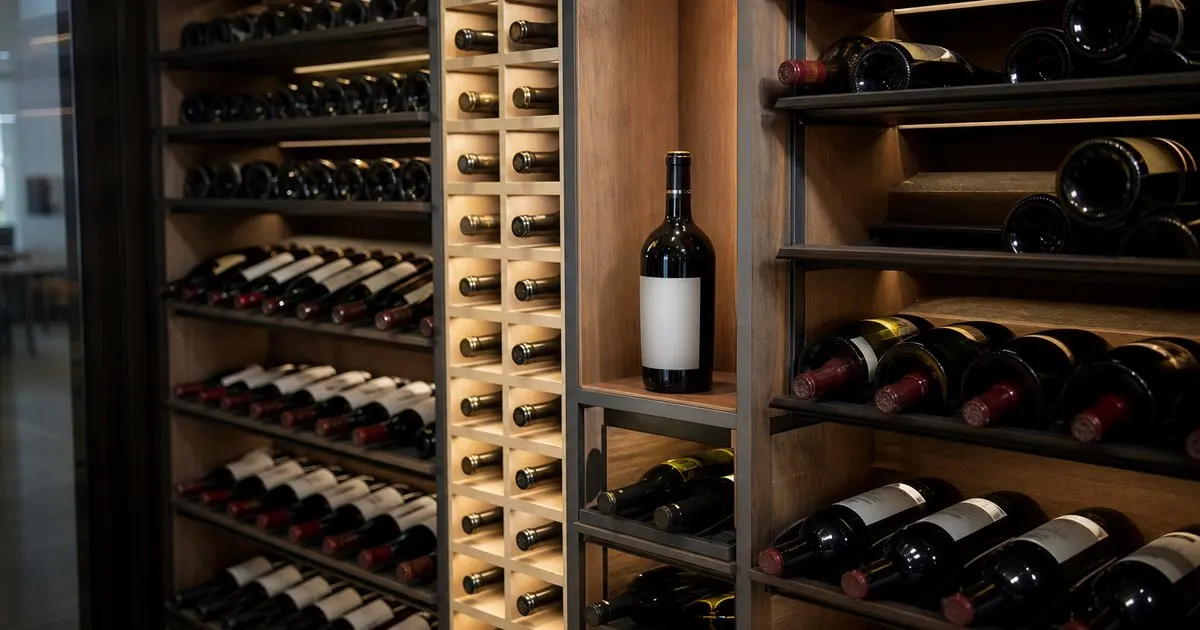
Racking shapes capacity, character, and how you use the cellar. The right choice balances storage, display, and durability.
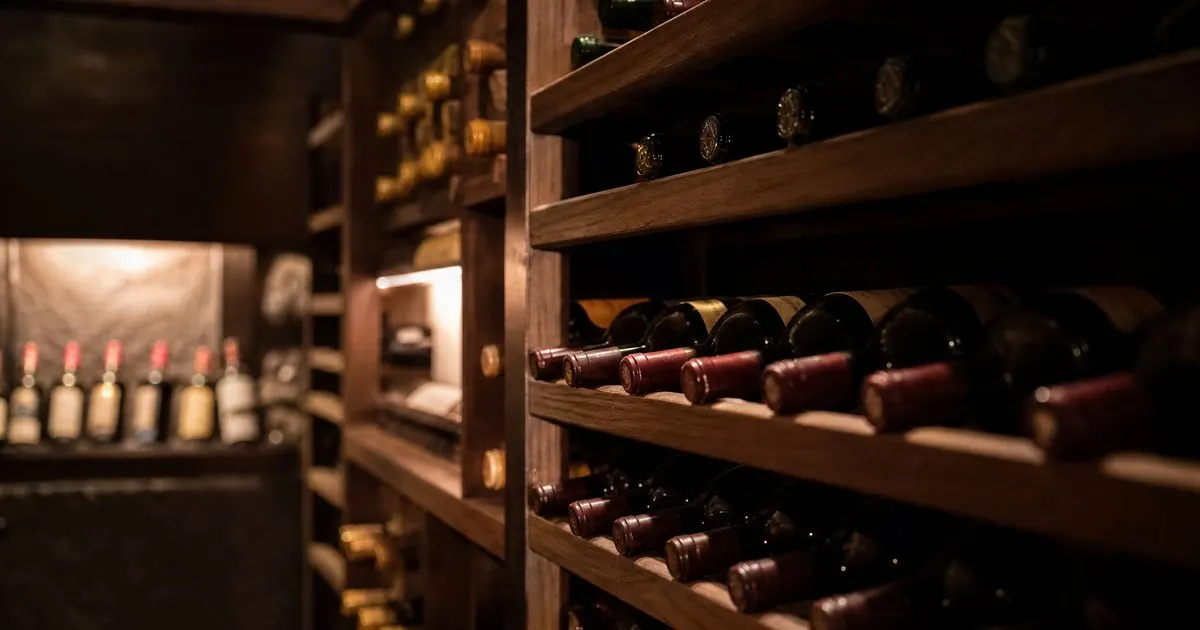
Beyond temperature and humidity, three subtler threats can affect wine. Managing them completes a well-designed cellar.

A dedicated cellar is a real investment. Whether it pays off depends on your collection, your home, and your enjoyment.
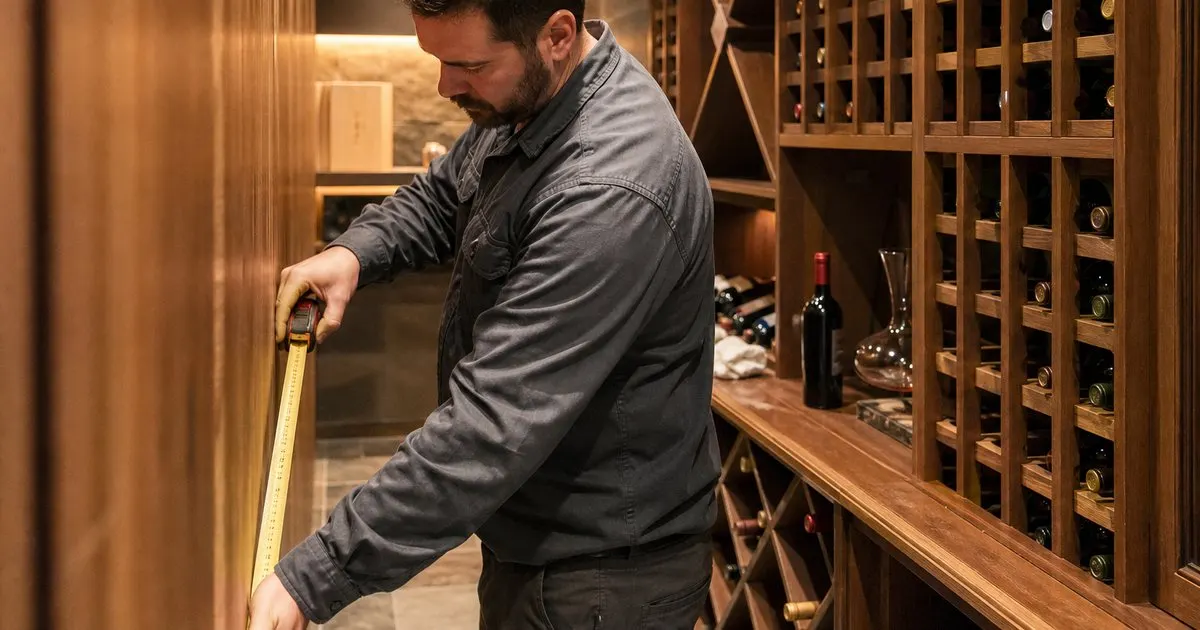
Sizing by cubic footage alone is the most common mistake in cellar design. Here is how thermal load, glass, insulation, and location change what your cellar actually needs.
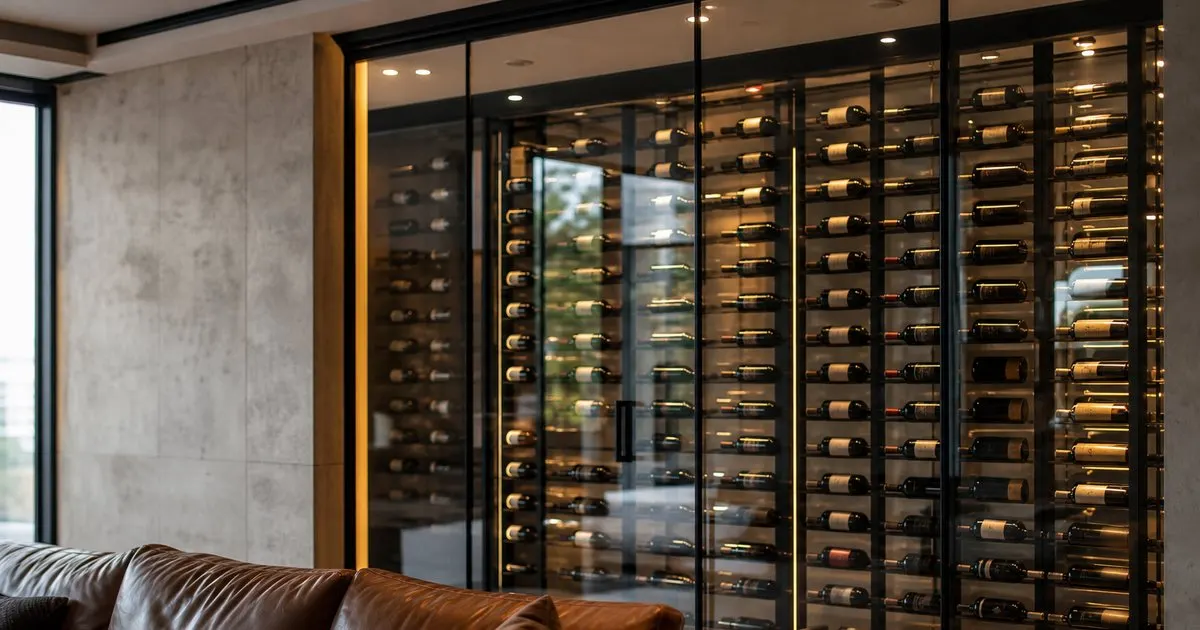
Glass cellars are the signature look of modern luxury homes, and they are also the hardest rooms to hold at 55 degrees. Here is what the glass does to your thermal load and how to design around it.
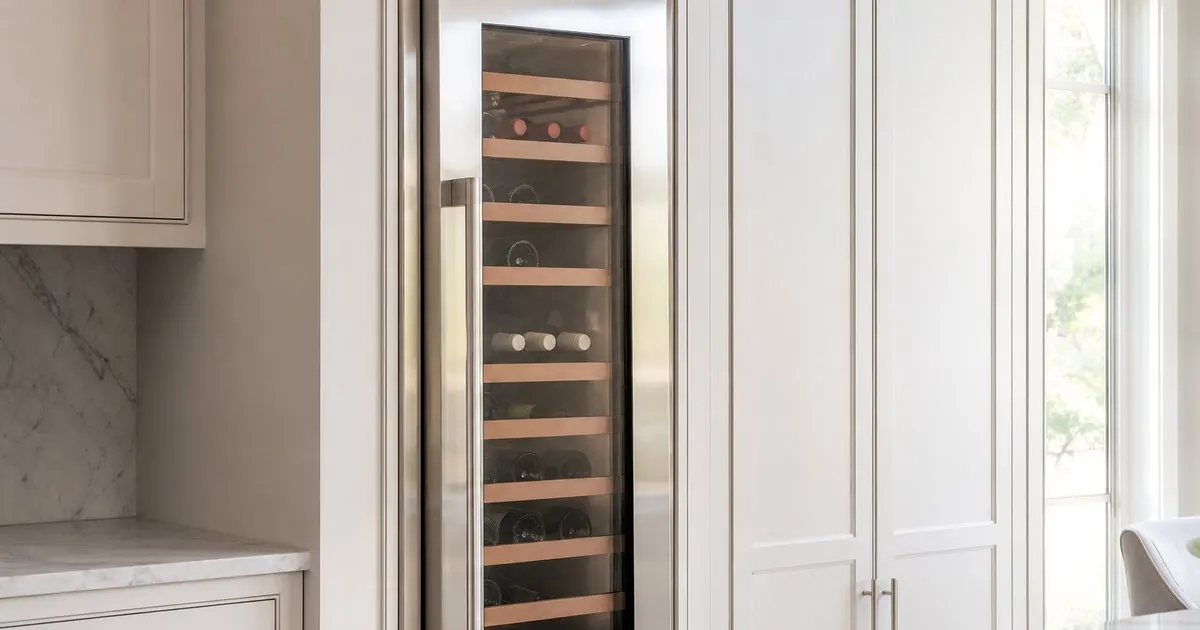
Not every serious collector needs a room. A pair of integrated wine columns can serve a few hundred bottles beautifully, while a cellar makes sense at a different scale and lifestyle. Here is how to decide.
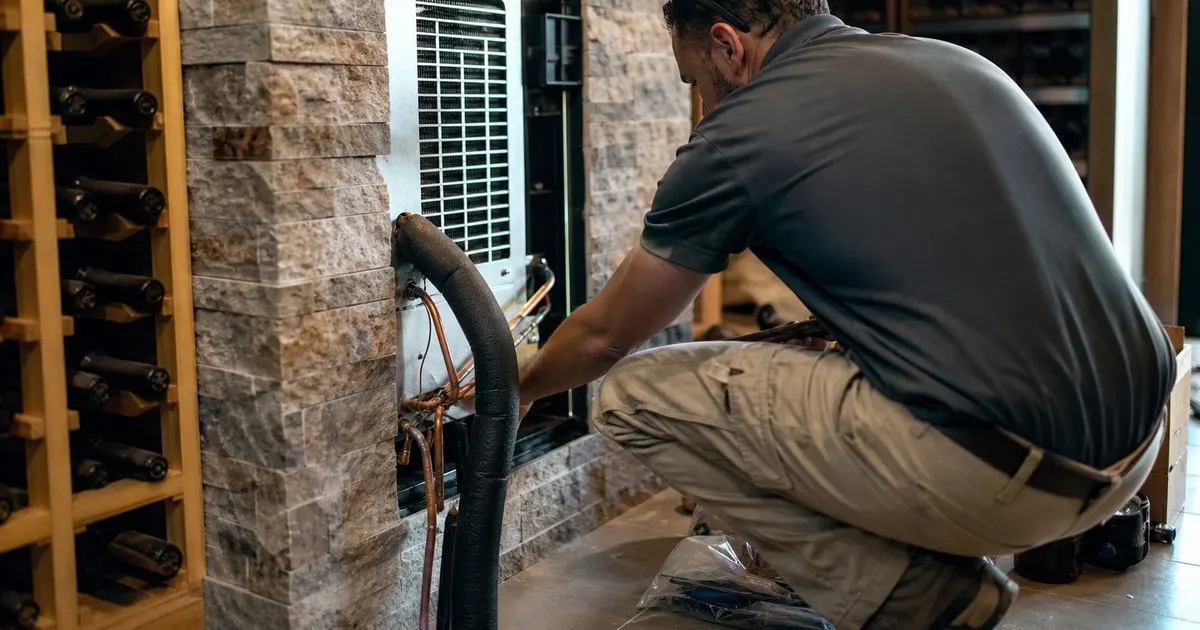
The three main families of active cellar cooling differ in noise, installation cost, capacity, and where the heat goes. Here is how they compare and which one belongs in which kind of home.
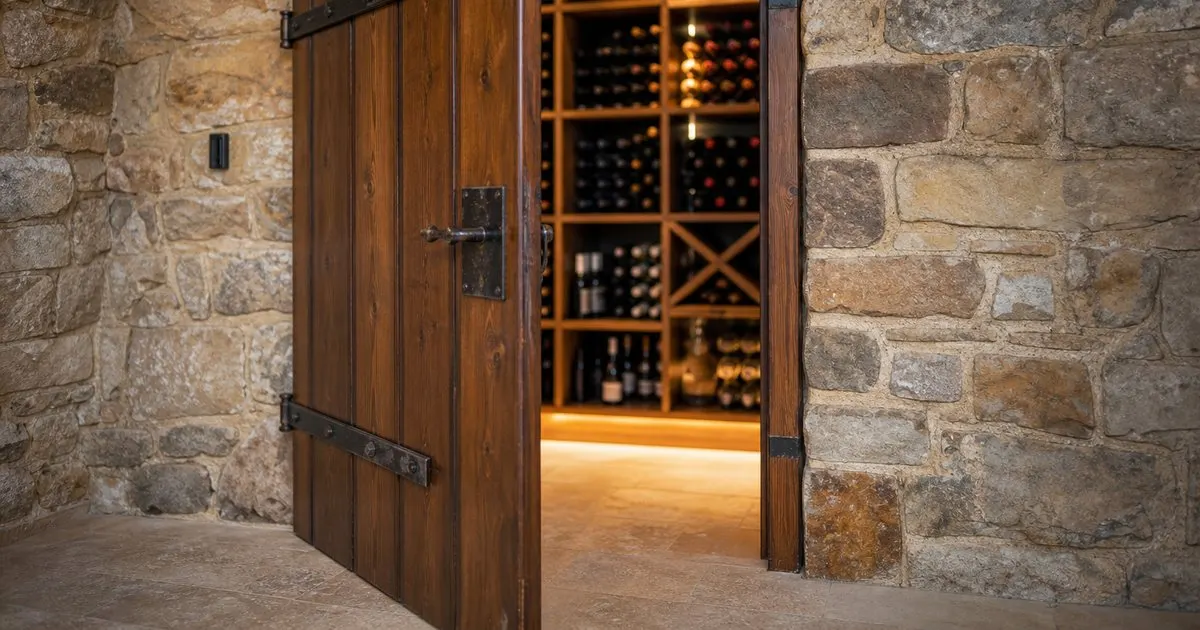
The door is the weakest point in most cellar envelopes and the first thing a guest touches. Here is how to choose one that seals like an exterior door and looks like it belongs in the house.
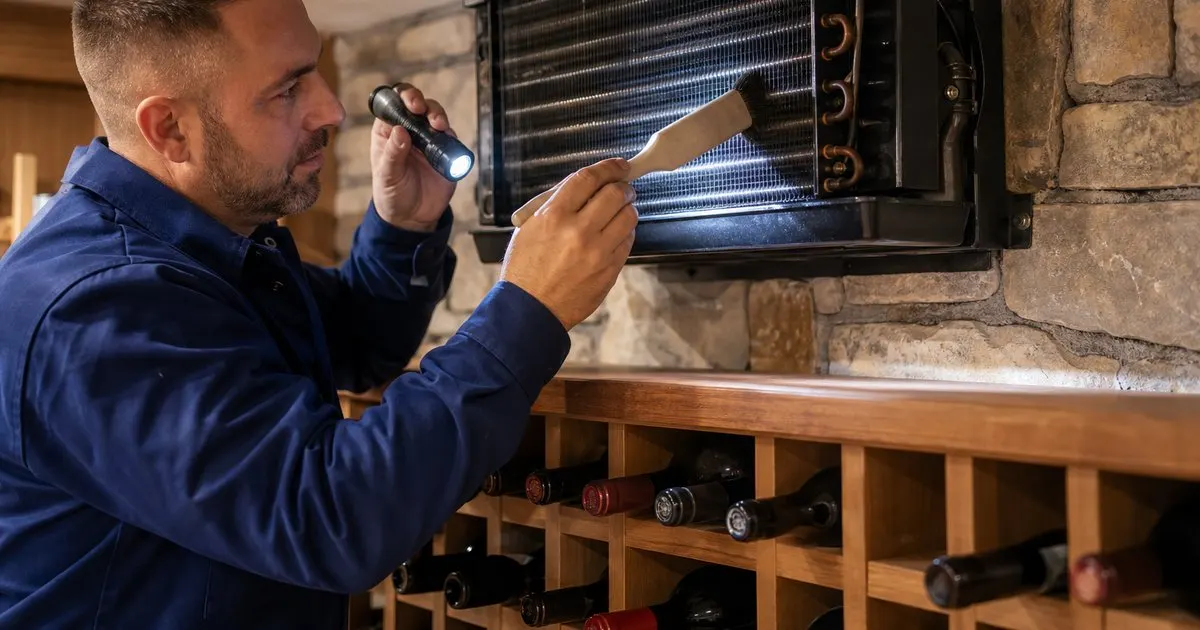
Cellar cooling systems are quietly reliable until they are neglected. A short seasonal routine and one professional visit a year keep the room stable and the compressor alive for its full working life.

A cellar full of bottles has more time than you fear, and less than you would like. Here is what to do in the first hour, the first day, and the first week, and how to make the next failure a non-event.
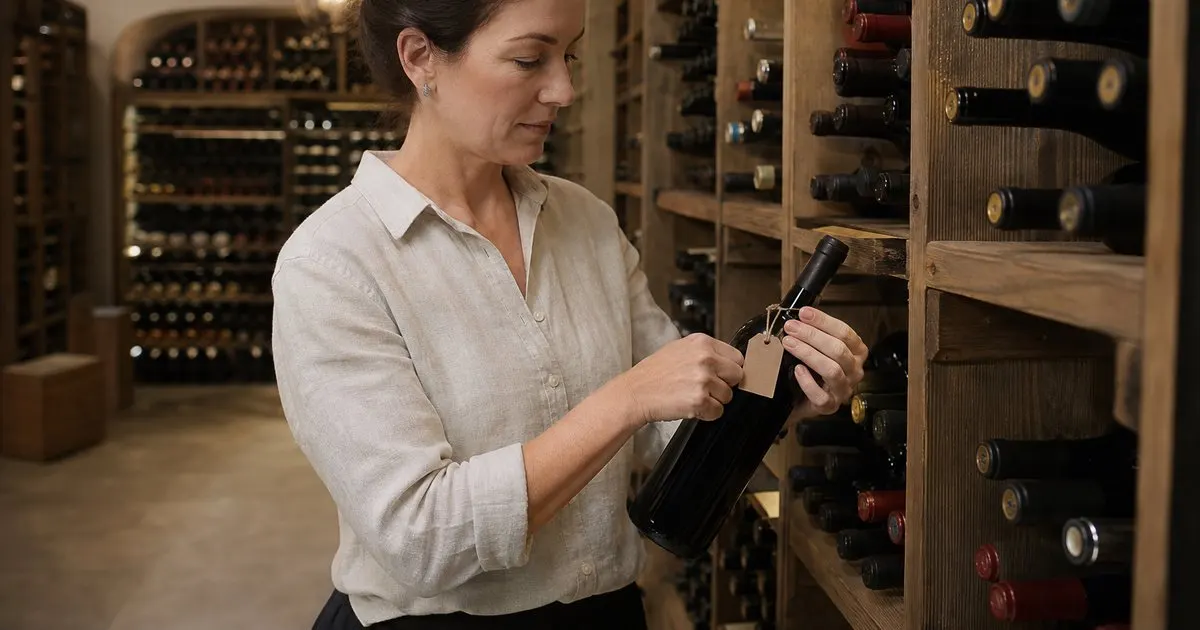
Past a few hundred bottles, memory fails and cellars turn into archaeology. A location system, a simple inventory discipline, and the right racking logic keep a large collection usable and its value knowable.
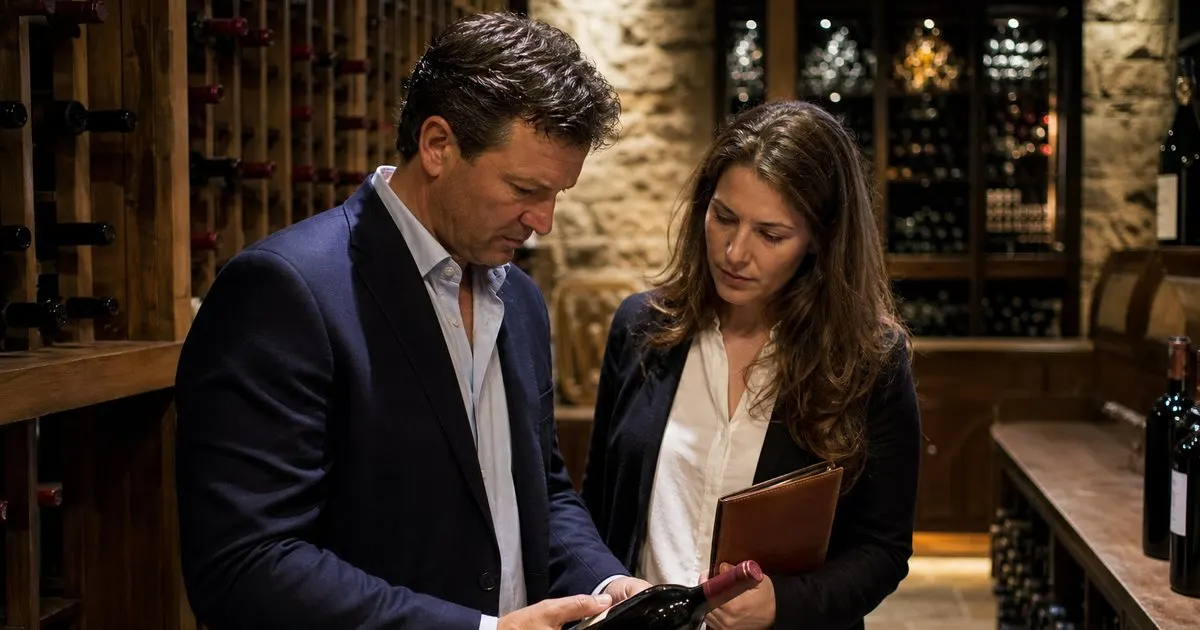
Standard homeowners coverage was never written with a cellar of aging Burgundy in mind. Here is how it treats wine, where the gaps are, and when a dedicated collections policy earns its premium.

A cellar build joins carpentry, refrigeration and building science in one small room, and few firms are genuinely strong at all three. These are the questions that reveal which kind you are talking to.
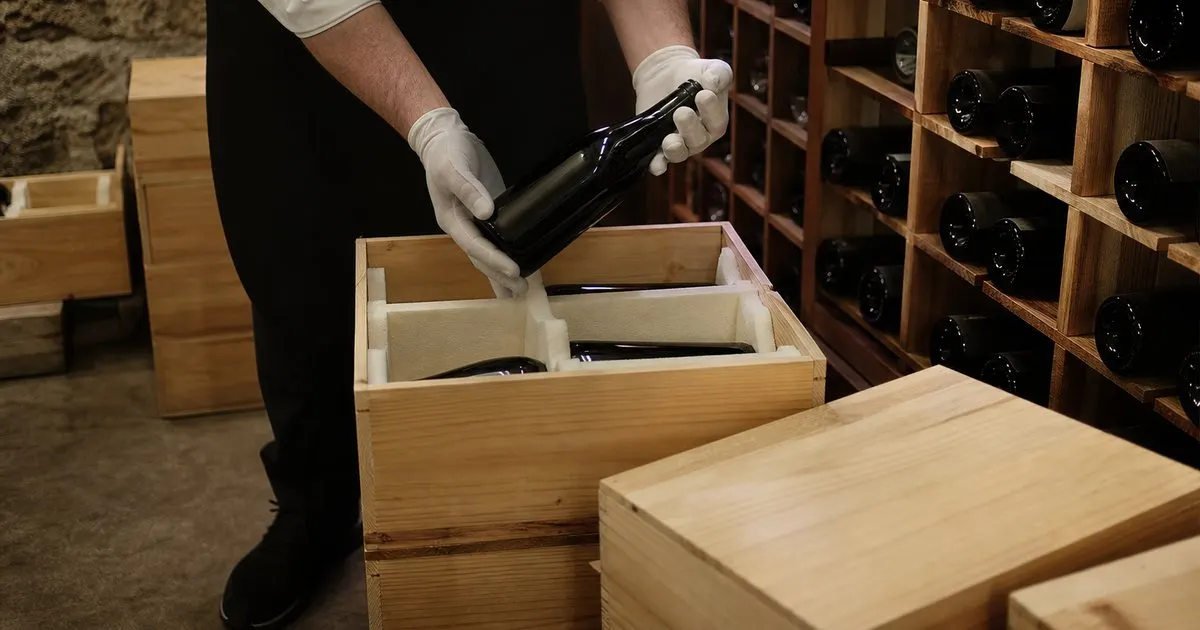
The move is the moment a collection is most exposed, and the moment every bottle passes through your hands. Handled well, it protects the wine and sets up the room for the next twenty years.