How do you protect a wine collection from light, vibration, and odor?
Beyond temperature and humidity, three subtler threats can affect wine. Managing them completes a well-designed cellar.
Protect against light by keeping the cellar dark or using cool, low-UV lighting on timers, and avoiding windows. Minimize vibration by locating the cellar away from machinery and traffic and isolating racking if needed. Control odor by keeping the space clean, free of strong smells, and finished with low-odor materials. Together these complete a considered cellar.
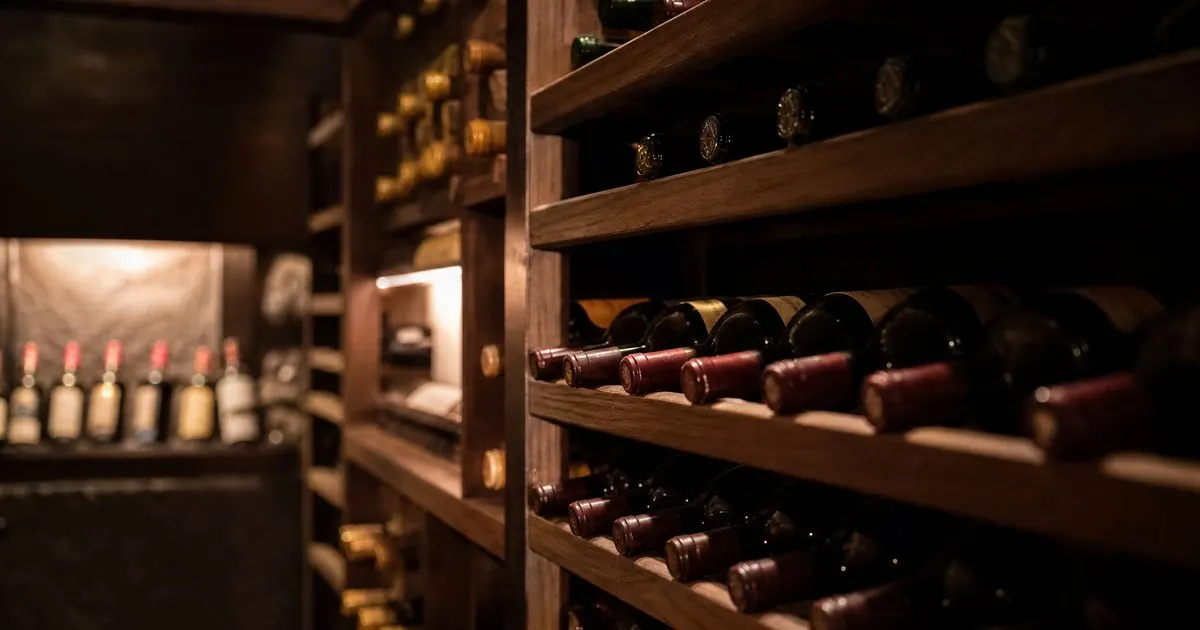
Guarding against light
Wine is sensitive to light, particularly ultraviolet, which can degrade it over time and is why many bottles are made of tinted glass. A cellar should be kept dark, or lit only with cool, low-UV lighting used sparingly rather than left on. Related: How do you choose between passive and active cooling for a wine cellar?
Practical measures include LED lighting designed to emit little UV and heat, lights on timers or switches so they are off when not needed, and avoiding windows or direct sunlight. These simple steps keep light from working against a carefully stored collection.
Keep reading: What conditions must a private wine cellar hold to protect fine bottles?, How do you choose between passive and active cooling for a wine cellar?, What is the ideal temperature and humidity for storing wine long term?. See how Cellarvo helps you a refined guide to building and cooling a private wine cellar.
Minimizing vibration
Excessive vibration is thought to disturb the sediment in aging wine and to subtly affect maturation, so a cellar should be as still as possible. Locating it away from heavy machinery, busy traffic, and sources of constant vibration protects the wine's rest. Related: How much does building a bespoke private wine cellar typically cost overall?
Where vibration is unavoidable, thoughtful construction and isolating the racking can help dampen it. For most home cellars, simply choosing a calm location and ensuring the cooling equipment does not transmit excessive vibration is enough to keep bottles undisturbed.
Controlling odor
Wine can be affected by strong odors over long storage, so the cellar should be clean and free of anything with a powerful smell. Avoid storing solvents, strong foods, or heavily scented items in the space, and use finishes that do not off-gas. Related: What is the ideal temperature and humidity for storing wine long term?
Good ventilation of the cellar's cooling and a neutral, clean environment keep the air around the bottles pure. Choosing suitable, low-odor materials for the build and keeping the space tidy ensures nothing taints the collection as it ages.
Completing the environment
These protections work alongside temperature and humidity control to create the calm, dark, clean, still environment that fine wine needs. None is complicated, but together they distinguish a truly considered cellar from one that manages only the obvious conditions. Related: What conditions must a private wine cellar hold to protect fine bottles?
When planning, address light, vibration, and odor deliberately rather than assuming they will take care of themselves. Attending to these subtler factors is what allows a collection to mature undisturbed, fulfilling the purpose the cellar was built to serve.
- Keep the cellar dark or use cool, low-UV lighting sparingly.
- Locate the cellar away from vibration and isolate racking if needed.
- Keep the space clean and free of strong odors and off-gassing materials.
- Together these complete the calm, dark, still environment wine needs.

Julien Jimenez
Julien Jimenez is an independent software builder based in Paris. He designs, ships, and operates focused SaaS products for small businesses and independent professionals. Read the full author page.
Frequently asked questions
Does lighting really harm stored wine?
Light, especially ultraviolet, can degrade wine over time, which is why bottles often use tinted glass. Keeping the cellar dark or using cool, low-UV lighting sparingly, on timers, protects the collection with very little effort.
How much does vibration actually matter?
Excessive vibration is thought to disturb sediment and subtly affect aging, so stillness is preferable. For most home cellars, choosing a calm location and ensuring the cooling does not transmit vibration is enough to keep bottles undisturbed.
A Cellar Worthy Of The Bottles
A refined guide to building and cooling a private wine cellar. Cellarvo is built to help you put this into practice.
Plan your cellarMore from the Cellarvo blog
Get the complete wine cellars guide
Our full buying guide, the price guide, and new research as we publish it. One email, no spam, unsubscribe any time.