What racking materials and layouts work best in a private wine cellar?
Racking shapes capacity, character, and how you use the cellar. The right choice balances storage, display, and durability.
Wood is the traditional, warm choice, while metal, acrylic, and glass offer modern looks, and all must suit the cellar's humidity and be well built. The best layouts blend high-density bulk storage with display rows for prized bottles, and plan capacity, including larger formats, for the collection you expect to grow into over time.
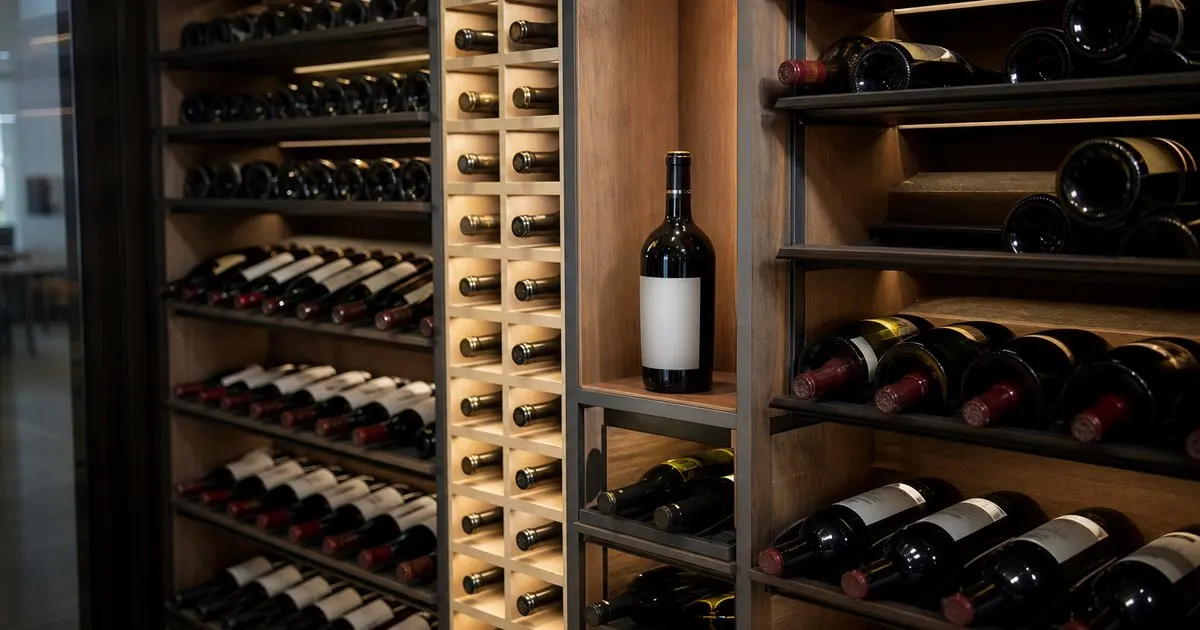
Common racking materials
Wood is the traditional and most popular choice, prized for its warmth and beauty, with stable species that tolerate the cellar's humidity. Metal racking offers a sleek, modern look and can create striking, minimal displays, while acrylic and glass add contemporary flourish. Related: What is the ideal temperature and humidity for storing wine long term?
Each material must suit the humid environment, so quality and appropriate treatment matter. A well-chosen wood or a suitable metal will age gracefully in the cellar, whereas materials that warp, corrode, or off-gas in humidity are best avoided.
Keep reading: What conditions must a private wine cellar hold to protect fine bottles?, How do you choose between passive and active cooling for a wine cellar?, What is the ideal temperature and humidity for storing wine long term?. See how Cellarvo helps you a refined guide to building and cooling a private wine cellar.
Balancing storage and display
Good racking blends bulk storage with display. Bins and high-density racking hold cases efficiently, while individual bottle racks and display rows showcase prized bottles, letting the cellar be both a practical store and a pleasure to look at. Related: What conditions must a private wine cellar hold to protect fine bottles?
Think about how you use your collection when planning the mix. Everyday drinking bottles benefit from accessible, efficient storage, while special bottles deserve a place where they can be seen and reached easily, and the layout should reflect that.
Layout and capacity planning
Plan capacity for the collection you expect to grow into, not just what you own today, so the cellar serves you for years. Thoughtful layout maximizes bottles per square foot while keeping the space navigable and the wine easy to organize. Related: How do you choose between passive and active cooling for a wine cellar?
Consider bottle sizes too, including larger formats, and allow flexible spaces for them. A layout that anticipates how a collection expands and varies will remain useful and elegant as your cellar fills over time.
Material and use in harmony
The best cellars match racking to both the environment and the owner's taste. A classic wood cellar feels timeless, a metal or glass one feels modern, and a considered blend can achieve both beauty and high capacity.
Above all, ensure the racking is well built and suited to the humid cellar, since it must last as long as the room. Choosing durable materials and a layout tuned to your collection is what makes the cellar both practical and a genuine pleasure to own. Related: Which room or space in a home suits a wine cellar best?
- Wood is traditional and warm, metal and glass offer a modern look.
- All racking must suit the cellar's humidity and be well built.
- Blend bulk storage with display for practicality and beauty.
- Plan capacity and bottle sizes for the collection you will grow into.

Julien Jimenez
Julien Jimenez is an independent software builder based in Paris. He designs, ships, and operates focused SaaS products for small businesses and independent professionals. Read the full author page.
Frequently asked questions
Is wood or metal racking better for a wine cellar?
Neither is simply better. Wood offers traditional warmth and beauty, while metal and glass give a modern, minimal look. Both work if suited to the humidity and well built, so choose by taste and how you want the cellar to feel.
How much racking capacity should I plan for?
Plan for the collection you expect to grow into, not just what you own now, and allow flexible spaces for larger bottle formats. Anticipating growth keeps the cellar useful and elegant as it fills over the years.
A Cellar Worthy Of The Bottles
A refined guide to building and cooling a private wine cellar. Cellarvo is built to help you put this into practice.
Plan your cellarMore from the Cellarvo blog

Get the complete wine cellars guide
Our full buying guide, the price guide, and new research as we publish it. One email, no spam, unsubscribe any time.