When should you insure a private wine collection separately from a homeowners policy?
Standard homeowners coverage was never written with a cellar of aging Burgundy in mind. Here is how it treats wine, where the gaps are, and when a dedicated collections policy earns its premium.
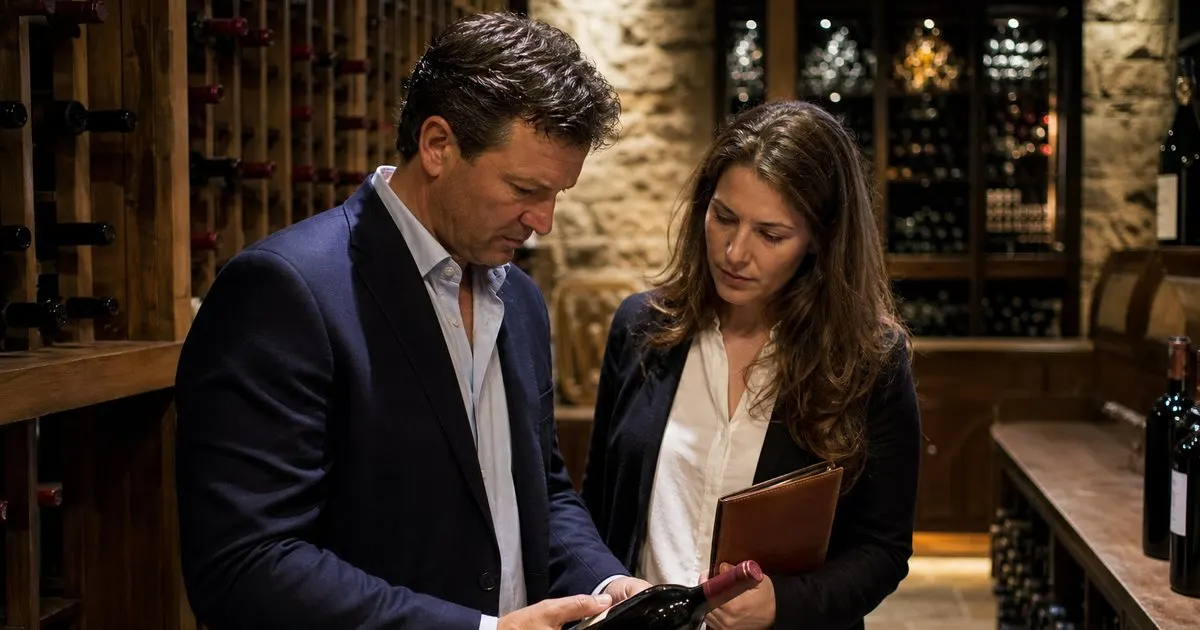
How a standard homeowners policy treats wine
Most homeowners policies cover wine the way they cover any other personal property: as contents, subject to the policy's overall contents limit and its deductible, and only against the perils the policy names, typically fire, theft, and certain water events. On paper that sounds adequate. In practice, the perils that actually threaten a cellar, such as a cooling unit failure that cooks the collection, a power outage during a heat wave, a bottle dropped or broken, or corks that fail in warm air, are commonly excluded or simply not addressed. Related: How do you choose between passive and active cooling for a wine cellar?
There are also sub-limits and valuation questions. Some policies cap coverage for collectibles, and many pay actual cash value, which for wine can be argued down, rather than the cost of replacing a mature vintage that is no longer on the market. A collection that has appreciated over fifteen years may be insured for a fraction of what it would cost to rebuild. Reading the policy's definitions and exclusions, or asking your agent to walk through them with wine specifically in mind, is the first step.
Keep reading: What conditions must a private wine cellar hold to protect fine bottles?, How do you choose between passive and active cooling for a wine cellar?, What is the ideal temperature and humidity for storing wine long term?. See how Cellarvo helps you a refined guide to building and cooling a private wine cellar.
What a dedicated collections policy adds
Specialty insurers and the high-net-worth divisions of major carriers offer valuable articles or collections coverage that can be scheduled for wine. The meaningful differences are broader perils, often including mechanical breakdown of the cooling system, temperature and humidity damage, accidental breakage, and coverage while bottles are in transit or in off-site storage; agreed-value or replacement-cost settlement based on a documented inventory; and low or no deductibles for scheduled items.
These policies also tend to understand the asset. An underwriter who insures cellars will ask about the cooling system, monitoring, backup power, and how the collection is inventoried, and may offer better terms when those are in place. Some policies allow a blanket limit for the collection as a whole plus scheduled coverage for the most valuable bottles, which suits a cellar with a few hundred everyday wines and a smaller core of rare bottles.
The threshold where separate coverage makes sense
There is no universal number, but a useful test is whether losing the entire collection would be a financial event you would want covered, and whether your current policy would actually pay for the most likely way that loss happens. For a modest collection of wines you drink within a few years, contents coverage is usually fine. Once the cellar holds bottles that are hard to replace, wines that have appreciated meaningfully, or a total value that rivals a car, the conversation with an insurance professional is worth having. Related: What conditions must a private wine cellar hold to protect fine bottles?
The premium is typically modest relative to the value insured, and many collectors find that the underwriting process, which asks for an inventory and information about the cellar, imposes a useful discipline of its own. Insurers also frequently require an appraisal above a certain scheduled value, so budget time for that. We are an independent guide and not licensed insurance advisors; a broker who handles fine art and collectibles can price the options for your specific cellar. Related: How much does building a bespoke private wine cellar typically cost overall?
Documentation that makes a claim possible
Any policy, standard or specialty, pays only for what you can prove you owned and what it was worth. That means a current inventory with purchase records, receipts or auction invoices, photographs of the cellar and of the most valuable bottles, and, for scheduled items, a professional appraisal. Monitoring logs from a temperature and humidity sensor are valuable evidence in a temperature-damage claim, showing when conditions deviated and for how long. Related: What is the ideal temperature and humidity for storing wine long term?
Keep this documentation outside the cellar and ideally outside the house, in the cloud or with your broker. Update the inventory as you buy and drink, and revisit the insured value every year or two as the market moves, since a policy written on a collection five years ago may be badly out of date. Insurance is the least glamorous part of building a cellar, but for a collection of real value it is what turns a catastrophe into an inconvenience.
- Homeowners policies treat wine as contents and usually exclude the perils that actually threaten a cellar, such as cooling failure.
- Collections coverage can add mechanical breakdown, temperature damage, breakage, transit, and agreed-value settlement.
- Consider separate coverage once the collection holds hard-to-replace bottles or a value you would want made whole.
- A current inventory, purchase records, photographs, and monitoring logs are what make any claim payable.

Julien Jimenez
Julien Jimenez is an independent software builder based in Paris. He designs, ships, and operates focused SaaS products for small businesses and independent professionals. Read the full author page.
A Cellar Worthy Of The Bottles
A refined guide to building and cooling a private wine cellar. Cellarvo is built to help you put this into practice.
Plan your cellarMore from the Cellarvo blog
Get the complete wine cellars guide
Our full buying guide, the price guide, and new research as we publish it. One email, no spam, unsubscribe any time.