What is the best way to organize and track a large private wine collection?
Past a few hundred bottles, memory fails and cellars turn into archaeology. A location system, a simple inventory discipline, and the right racking logic keep a large collection usable and its value knowable.
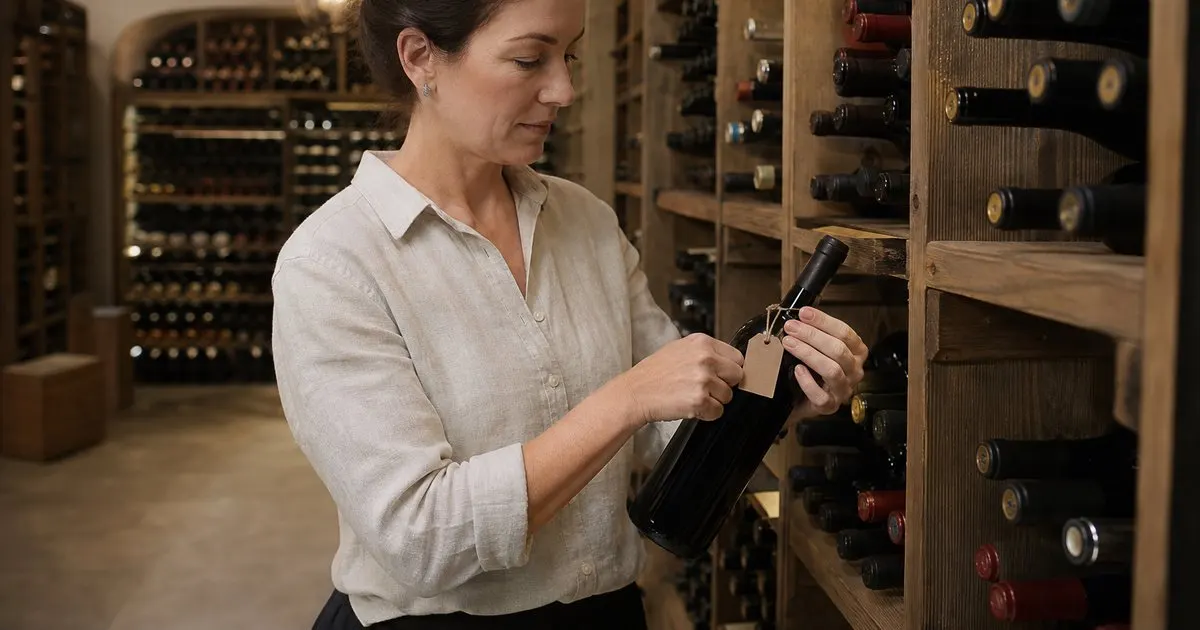
Decide on a locating system before the first bottle goes in
The core problem of a large cellar is not remembering what you own but remembering where it is. The solution is to give every position a fixed address, the way a library does: a rack or wall identifier, a column, and a row or bin number. Label the addresses discreetly on the racking and record each bottle by its address when it goes in. A bottle you can find in thirty seconds is a bottle you will actually drink at the right time.
Resist the urge to organize purely by region or producer in the physical space, because collections change and a perfectly ordered wall of Bordeaux becomes chaos as bottles leave and new arrivals find no home. Instead, let the address system handle location and let the inventory handle identity, so a Barolo can sit beside a Napa Cabernet without anyone caring. Reserve physical grouping for cases you buy and hold whole, and for the everyday drinking section near the door.
Keep reading: What conditions must a private wine cellar hold to protect fine bottles?, How do you choose between passive and active cooling for a wine cellar?, What is the ideal temperature and humidity for storing wine long term?. See how Cellarvo helps you a refined guide to building and cooling a private wine cellar.
Choosing an inventory method you will keep using
The best inventory system is the one you maintain. A dedicated cellar management app, a spreadsheet, or a bound ledger can each work; what matters is that every bottle in and every bottle out is recorded at the moment it happens, not reconstructed later. Apps offer label scanning, drinking windows, and valuation, which are genuinely useful for large collections. A spreadsheet is more flexible and is under your control. Choose one, and keep it near the cellar door. Related: How do you choose between passive and active cooling for a wine cellar?
Record more than the name. Producer, wine, vintage, format, quantity, address, purchase date, source, and price paid are the minimum; drinking window, tasting notes, and provenance documents matter for valuable bottles. The price and source fields are what an insurer or appraiser will ask for, and what a future buyer or your heirs will want. Once a year, walk the cellar with the list and reconcile it; a small discrepancy caught annually never becomes a large one. Related: What conditions must a private wine cellar hold to protect fine bottles?
Designing the racking to support the system
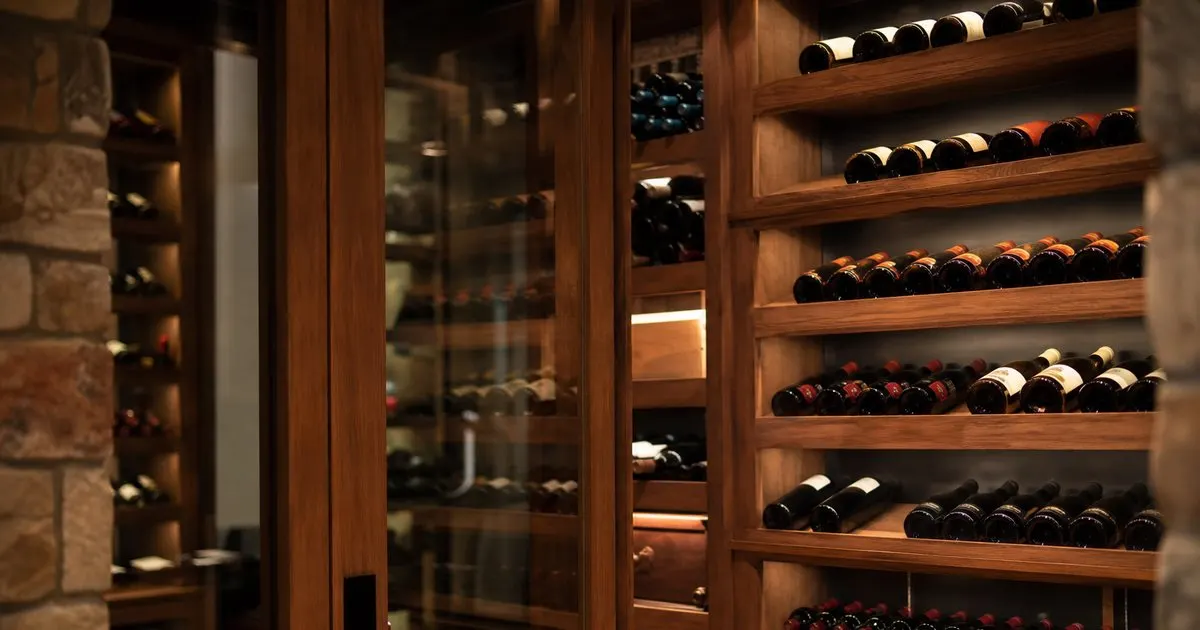
Racking layout and inventory go together. Individual bottle slots with a clear grid make addressing simple; diamond bins and case storage suit bottles held by the dozen; display rows at eye level serve the bottles you want to show or reach for. A well-planned cellar mixes these, with the everyday and near-term bottles closest to the door and the long-hold cases deepest in the room where they will not be disturbed. Related: What is the ideal temperature and humidity for storing wine long term?
Plan for growth and for large formats. Magnums, Champagne bottles, and Burgundy shapes do not fit standard slots, and a cellar with no place for them will end up with bottles stacked on the floor. Leave a portion of the racking empty on day one; a full cellar is an inflexible one. Tags on the bottle neck or small labels on the rack face let you identify a bottle without pulling it, which protects the wine and the sediment in older bottles. Related: How much does building a bespoke private wine cellar typically cost overall?
Using the system to drink better
An inventory is more than a record; it is a drinking plan. With drinking windows recorded, a simple sort shows what is approaching its peak and what is past it, which is how a collection avoids the common fate of aging wines discovered too late. Reviewing the list before a dinner, rather than wandering the cellar, produces better pairings and spares the room the door openings and the handling.
For collections with real value, the inventory also underpins insurance and estate planning. Appraisers and insurers rely on it, and a current, documented list with purchase records makes a claim or a sale straightforward. Keep a copy off site or in the cloud, and let one other person in the household know how the system works. As an independent guide we may earn a commission on some products we link to, but the discipline itself costs nothing and is what separates a collection from a pile of bottles.
- Give every rack position a fixed address and record bottles by address rather than by physical grouping.
- Choose an inventory method you will actually maintain and log every bottle in and out immediately.
- Design racking to support the system: individual slots, bins, and case storage, with room for large formats and growth.
- Use recorded drinking windows to plan what to open, and keep the inventory current for insurance and estate purposes.

Julien Jimenez
Julien Jimenez is an independent software builder based in Paris. He designs, ships, and operates focused SaaS products for small businesses and independent professionals. Read the full author page.
A Cellar Worthy Of The Bottles
A refined guide to building and cooling a private wine cellar. Cellarvo is built to help you put this into practice.
Plan your cellarMore from the Cellarvo blog

Get the complete wine cellars guide
Our full buying guide, the price guide, and new research as we publish it. One email, no spam, unsubscribe any time.